An Island with No Name: The Many Lives of San Lazzaro before Abbot Mkhit‘ar

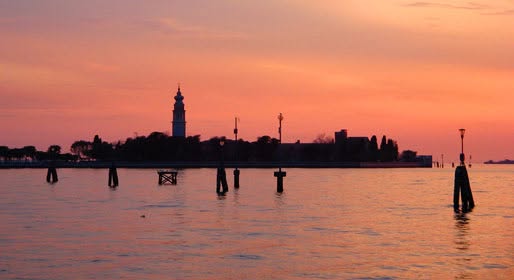
At the very outset, when the site for a monastery was granted to us, it was a kind of ruined monastery, called Saint Lazarus (San Lazzaro). There, for the sake of our dwelling for the time being, Abbot Mkhit‘ar built a number of new cells, as many as sufficed for his monks, as we have written above. Now, before we had taken possession of that place, those who held it had taken no care to set any bounds upon the persons going in and out, since the place had long since been given over to desolation. But once it had been taken by us and built up…and blessed by our abbot-father, it became a dwelling for us. From that time on, as concerned those who came to our monastery from the city, he gave order to those who received them to give notice that this place was closed to the entry of outsiders.
Ի սկզբան անդ՝ յորժամ տեղի մենաստանի շնորհեցաւ մեզ, էր այն ինչ փլփլկեալ վանք՝ Սուրբ Ղազար անուանեալ: Ուր սակս առժամայն բնակ լինելոյ մեզ՝ զսենեակս ինչ նորոգ կառոյց Մխիթար աբբայն զմիայնակեցաց իւրոց զբաւականի, որպէս վերագոյնդ գրեցաք: Իսկ արդ՝ մինչչեւ զայն տեղին մեզ կալեալ էաք, ոչինչ փոյթ էր նոցա զելամտից զանձինս խտրել, որք զտեղին ունէին, զի եւ վաղու իսկ յամայութիւն տուեալ էր տեղին: Այլ իբրեւ կալեալ եղեւ ի մէնջ եւ շինեցաւ (թէպէտ եւ հարեւանցի յաղագս յառաջիկայ ժամանակին անձեռնհաս լինելոյ մեր) /412/ եւ օրհնեալ յաբբայ հօրէ մերմէ՝ եղեւ մեզ ի բնակութիւն, յայնմ հետէ, որոց ի քաղաքէ անտի ի վանս մեր գային, հրաման ետ, որոց զնոսայն ընդունէին, ազդ առնել, թէ արգելեալ է տեղիս այս ի տարասերիցն մտից:
Ever since my first visit to Venice as a student — for a summer course at the Collegio Moorat-Raphael in July of 1988, if memory serves — the island of San Lazzaro has held a special place in my imagination. It lies at the center of nearly all my imaginings about Venice, and even on those occasions when I have felt irritated at one or another of its monastic denizens, the island, with the famous silhouette of its belltower, has exerted a quiet, magical sway over most of what is genuinely valuable in my life. It is that “sway,” in part, that has drawn me to devote my next book Between State Power and Commercial Capitalism: A History of San Lazzaro and the Mkhit‘arist Renaissance, 1700-1800, to a critical history of the order that settled there more than three centuries ago.
Despite the voluminous scholarship on San Lazzaro and its erudite Armenian monks (most of it written by the monks themselves), remarkably little attention has been paid to the pre-1717 history of the island. What was San Lazzaro like before it became a gleaming beacon of the Armenian “renaissance” during the eighteenth century? Who were its former denizens, and what can a study of their episodic custodianship of the island tell us about the island’s post-1717, Mkhit‘arist history and possibly its future? These questions have at best only received a passing acknowledgment by Mkhit‘arist recorders of their own institution’s history.
The island’s first chronicler the formidable Matteos Evdokiats‘i (1688-1772) entirely elides this history;[1] others following his lead such as Abbot Stepanos Giwēr Agonts‘, the author of the first published biography of Mkhit‘ar (1810) have also passed over in silence this earlier history.[2] At most, beginning with publications from the mid- to late-1800s, a perfunctory mention is made of a “leper hospital” (leprosarium) on the premises in the middle ages. If the source is more fine-tuned, as with James Issaverdentz’s popular English language tour guide The Island of San Lazzaro (1890), it might tell us how, before Mkhit‘ar’s acquisition of the island, San Lazzaro belonged to the Ospedale di San Lazzaro e dei Mendicanti, a medieval charitable institution for lepers and beggars located on the mainland and now a modern hospital.[3] The first serious discussion that incorporated near-contemporary accounts of the island was monk Hovhannes Torossian’s important 1901 biography Vark‘ Mkhit‘aray Abbayi Sebastats‘woy (The Life of Mkhitar Abbot from Sebastea).

Figure 1.Frontispiece of Matteos of Evdokia, Chronicle of the Sacred Congregation of Armenians belonging to the Sacred Order of Saint Anthony… Unpublished manuscript San Lazzaro archives. Photo by “author.”
This work incorporated the earlier accounts by the Franciscan cosmographer and cartographer Vicenzo Coronelli’s Isolario del Atlante (1698) as well as Italian priest, and Armenophile historian, Giuseppe Cappelletti’s erudite histories of the order that have all but been forgotten now. Torossian’s insightful discussion of several pages on San Lazzaro is a lone exception in the scholarship, however. Having read Mkhit‘arist publications on the congregation’s history for the better part of two decades, one is struck by how little attention scholars have paid to the very ground upon which so much of that history unfolded.
The island of San Lazzaro itself often appears in the literature as little more than a backdrop to the larger drama of Mkhit‘arist achievement—an incidental setting rather than a historical actor in its own right. Yet the island was not merely the stage on which Mkhit‘arist history was made; it was its material foundation. The scholarship has too often treated San Lazzaro as a minor detail in the fabric of the congregation’s past, when in fact it constituted one of the fabric’s essential threads.
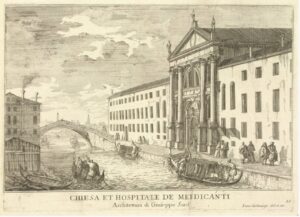
Figure 2. “La Chiesa et hospedale de Mendicanti,” photo: Public domain.
How would the Mkhit‘arist enterprise look if its story began to be told not in 1700 in Constantinople with the person of Mkhit‘ar and his future disciples but with arrival of leprosy in thirteenth century Venice, thus giving rise to the present name of the island where the order blossomed? Would this shift of focus contribute to a fundamental change in our understanding of the Mkhit‘arist enterprise or constitute merely one more interpretation of a now all-too-familiar topic?
In the spirit of addressing these questions and taking a few tentative steps in expanding beyond Torossian’s treatment of the island’s medieval history, I offer the notes below, cobbled together from a blog I wrote while in Venice during the summer of 2018 and now revised against Flaminio Corner’s Notizie storiche delle chiese e monasteri di Venezia, e di Torcello : tratte dalle chiese veneziane, e torcellane (1759), (Historical Notes on the Churches and Monasteries of Venice and Torcello…) with its eighteenth-century record of the island’s earlier history. This impressionistic tableau is no doubt only a preliminary step that needs thorough research in “Ospedali e luoghi pii diversi” fondes at the Archivio di Stato di Venezia.
San Lazzaro, as Torosian writes, had a “dark fate” until it passed to the abbot on that fateful September day in 1717; for much of its history, Torosian tells us, the island “served as a sanctuary for humanity’s most wretched elements: lepers, invalids in need of medical care, and mendicants.”[4] Up until the late twelfth century, the place was so insignificant that it went without a name. According to Cappelletti, from the most remote antiquity San Lazzaro belonged to the Benedictine monks of Sant’Ilario of Fusina, who in 810, by decree of Doge Giovanni Partecipazio, had crossed over from the neighboring islet of San Servolo — too narrow, and hemmed in by marshes — to settle here.[5]
In 1182, the island appears to have passed to a Venetian nobleman, Leone Paolini, who built a small chapel and hospital to care for the city’s lepers, whose numbers had swelled — apparently with the pilgrimage traffic to and from the Holy Land.[6] Here Torossian’s brief treatment must be supplemented by Corner’s Notizie storiche, a foundational work published in 1759 a decade following the passing of Mkhit‘ar.
In this seminal study of Venice’s medieval churches and ecclesiastical institutions, San Lazzaro emerges as a functioning hospital-convent whose very name preserved the memory of what it had once been. Its earlier ninth-century dedication, San Leone—perhaps an echo of Leone Paolini’s own name, or an allusion to Pope Leo of Chalcedon fame—gave way in the thirteenth century to San Lazzaro, patron saint of lepers and thus a fitting title for such a house. As a leprosarium with its primitive rooms and an operating church, the island today has at least one Gothic script marble inscription dating to 1348 marking the building of its church and another to 1453. Corner’s documents trace a succession of priors across the medieval centuries, and the narrative this yields reads almost as a parable of the island’s later fortunes: authority passing, by slow degrees, from one custodian to the next.
By the close of the sixteenth century leprosy had all but vanished from the streets of Venice, thus triggering a shift in the Venetian state’s policy towards this tiny speck of land. In 1594 — On 24 May 1594, by Cappelletti’s reckoning, the Senate redesignated San Lazzaro to receive the mendicants and paupers who had until then roamed Venice’s alleys begging for alms and causing “disorder.” A year later, it resolved to move the institution of the leper hospital into the city, to the great hospital of San Lazzaro dei Mendicanti beside Santi Giovanni e Paolo church. This left the island and its patrimony under the Mendicanti’s administration on the mainland.[7]
After 1595, San Lazzaro no longer housed a leprosarium but remained under the ownership of the Ospedale dei Mendicanti, a circumstance that would acquire unexpected significance on 26 August 1717, when the Venetian Senate granted it on renewable lease to Mkhit‘ar and his disciples. The island they received was a place already layered with centuries of history, whose association with the Mkhit‘arist revival formed only the latest chapter in a much longer story.
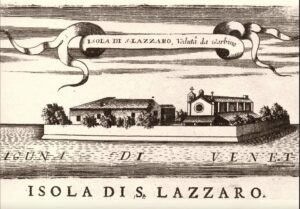
Figure 3. “Isola di S. Lazzaro, veduta da Gardino,” Vicenzo Coronelli, Isolario del Atlante solario dell’Atlante Veneto descrizone geografico-historica, sacro-profana, antico-moderna, politica, naturale, e poetica . . . , 2 vols. (Venice, 1696).
During the seventeenth century, the island appears to have been all but abandoned. Vincenzo Coronelli, whose Isolario I have had occasion to read closely, found San Lazzaro at the end of the 1600s inhabited only by a chaplain saying his daily Mass and a few ortolani — gardeners — tending its soil.[8] Into this quiet interval, the Mkhit‘arist tradition inserts a further set of transient guests. Torossian, probably following Coronelli (p. 47), reports that in 1660 the Dominicans, fleeing Crete or Candia, settled there by a decree of the Senate.[9] The episode still awaits more corroboration. What is firmer is that in 1711 two Venetian patricians, Paolo Pisani and Gian Francesco Labia, obtained permission from the Mendicanti to build a nosocomio (hospital) on the island — a venture that came to nothing, leaving San Lazzaro to its lonely gardeners until Mkhitʻar.[10]
San Lazzaro Redux: From Stultifera Navis and Insularity to Global hub of Cultural production in the diaspora.
At this point it is worth pausing to reflect on what sort of place San Lazzaro had been before Mkhitʻar’s arrival. The island’s history was at once a succession of occupants as it was of social functions. For centuries the place served as a repository for those whom Venetian society wished to place at a distance from itself: first lepers, later mendicants, invalids, and possibly other marginal groups like fleeing Greek Dominicans. Situated within sight of the city yet separated from it by water, San Lazzaro belonged to what might be called a wider “geography of exclusion” that appears to have characterized both Venice and much of Renaissance Europe. The impetus for the rise of exclusionary or segregationist practices during the Medieval period appears to have been the rise of leprosy during the thirteenth century.[11]
No modern thinker has reflected more provocatively on leprosy and the creation of such spaces of segregation than Michel Foucault. In Madness and Civilization: A History of Insanity in the Age of Reason (1961/1965), the French philosopher argued that although leprosy gradually disappeared from Western Europe by the late sixteenth century, the institutions and mental structures that had been created to segregate lepers endured long after the disease itself had faded. “Leprosy withdrew,” Foucault writes, “leaving derelict these low places and these rites which were intended to suppress it.”[12] Yet the structures of exclusion survived, ready to be occupied by new categories of marginal people: lunatics and madmen, those such as criminals considered unfit for society. In the case of San Lazzaro, the sequence of successive custodians included the Benedictines, lepers, mendicants and beggars, and finally persecuted Dominicans.
Equally suggestive in this connection is Foucault’s controversial discussion of the Stultifera Navis, or “ship of fools,” a powerful image of Renaissance practices of exclusion. Whether such vessels actually existed and periodically “conveyed their insane cargo from place to place,” as Foucault maintained, or were primarily symbolic and literary constructs, as many of his critics have argued, the ship of fools occupied a prominent place in the cultural imagination of the period.[13] Its ubiquity in block prints, engravings, and other visual representations points to a broader social logic: the desire to remove troublesome or marginal persons from the civic body while never entirely placing them beyond the horizon of society’s gaze.

Figure 4. Stultifera Navis, engraving from Sebastian Brant, (1458-1521) [Nuremberg: Georg Stuchs, after 1 March 1497]. Reprinted in Nuremberg from the edition of Basel: Johann Bergmann de Olpe, 1 March 1497.
Seen from this perspective, the transfer of San Lazzaro from the Ospedale dei Mendicanti to Mkhitʻar and his disciples in 1717 marks more than a change of tenants. It represents a liminal moment, a profound transformation in the island’s symbolic identity. A place long associated with confinement, abandonment, and social exclusion was reborn as a center of learning, scholarship, and cultural renewal. The waters that had once separated lepers from the city streets now protected a community of scholars whose intellectual horizons stretched from Venice to Constantinople, New Julfa, Madras, Calcutta, Manila, and beyond.
This transformation was striking because while the island underwent a profound shift towards openness to the world, it also retained its insular character. As Matteos Evdokiats‘i in the passage quoted at the start of this essay intimates, San Lazzaro remained a place apart, an insulated abode for piety and knowledge production, jealously guarded by Mkhit‘ar and cordoned off from the world of mundane affairs. Matteos clarifies:
What is more, when the solid, ingeniously wrought, exquisite buildings had been raised, he barred and shut [the place] altogether, so that there should be no entry for outsiders, save only to proceed straight along the path to the church. Upon the doors through which there was entry into the monastery he set locks, and we, each of us holding a key, would in our comings and goings open with the key and then lock [it] again behind us.[14]
Matteos’s comments here regarding how Mkhit‘ar had “barred and shut” the island from outsiders are made to emphasize the founder’s stern commitment to discipline and “modesty.” It is important to emphasize here that the kind of isolation and “apartness” that Mkhit‘ar introduced to his monks or novices was fundamentally of a different order than that evoked by the allegory of Foucault’s Stultifera Navis.

Isolation here no longer serves exclusion; it fosters concentration, preservation, modesty, and study. The island’s previous inhabitants did not choose to be settle on the island. They were sent there because they were regarded as dangerous, burdensome, unwanted, or pitied. Mkhitʻar’s monks chose the island as the abode for their erudite missionary order precisely because distance from the world of mundane affairs enabled them to engage the world more effectively through scholarship, printing, translation, and education.
In this sense, the history of San Lazzaro after 1717 reverses the Foucauldian pattern sketched above. For centuries, the island had been a space of segregation, a relic of the late medieval and Renaissance world of the stultifera navis. When it passed into the hands of Abbot Mkhitʿar on 8 September 1717, however, it was transformed from a place of banishment into a center of cultural illumination. What had stood at the margins of Venetian society emerged as a central hub of Armenian intellectual life across the diaspora, while also becoming an integral component of Venetian governance and state power.
A medieval geography of exclusion and isolation in the word’s literal sense, under the Mkhitʿarists, San Lazzaro became a space of connection and openness to the world. It was a cultural node—linked across seas and oceans—binding dispersed Armenian communities into a multi-circuit network that stretched across the Mediterranean and Indian Ocean and ultimately the globe. A former leper colony was thus reimagined, in the age of the European Enlightenment, as a small but globally connected space of learning, scholarship, and exchange.
Although the island retained essentially the same physical form through successive custodianships and later nineteenth-century land-reclamation projects, its symbolic meaning was fundamentally subverted beginning in the early eighteenth century. With Mkhitʿar’s apparition in the lagoon, a landscape once associated with confinement was recast as a site of mobility, communication, and cultural renewal.
As if sensing this symbolic and ontological transformation, Torossian writes, with a disciple’s pride, “the task of transforming the fate of that wretched islet and making it celebrated among all the islands of the lagoon, was left to Mkhitʻar.”[15] The decree by which the Senate granted him the island as a place of “perpetual abode” is dated 26 August 1717 and is worth excerpting:
This Venerable Congregation having read the written petition of the reverend monks of the congregation of Saint Anthony the Great, coming from Methoni in the Kingdom of Morea, by which they ask that permission to lease the island of San Lazzaro, including this holy place, and all its possessions and appurtenances as are found in the present state, be granted by this congregation, so that [the reverend monks] may establish their home upon the island according to the terms and conditions presented in their petition.[16]
Equipped with this Senatorial verdict, Mkhitʻar left his rented house in Castello — not far, as it happens, from the apartment I rented during my 2018 stay — on 8 September 1717, the feast of the Nativity of the Virgin and took possession of the island.[17] In return for the grant, his fledgling order undertook to say one daily Mass in perpetuity for the island’s former occupants, the Mendicant Friars, a duty apparently kept up into the 1830s.[18] They also agreed that “they shall not at any time alter, but must instead conserve, the very ancient name, which is and must continue to be the island of San Lazzaro.”[19] As Flaminio Corner’s mid-eighteenth-century account indicates, the Mkhitʻarists received possession of a former leprosarium on reasonable terms, and very soon, with the alms and patronage of Armenian merchant capitalists and support of the Venetian state they transformed the place from a geography of banishment and squalor into a hub of renaissance style “ad fontes” (to the sources) cultural revival.[20]
True to Torossian’s claim, for close to three hundred years Mkhitʻar’s heirs have not merely inhabited the island without interruption; they have enlarged it by land-reclamation, beautified its once-ramshackle chapel, raised living quarters, a museum with a manuscript library holding several thousand priceless Armenian codices — and made this small mound of earth in the middle of the lagoon a veritable workshop of the Armenian cultural renaissance of the eighteenth century. Under Mkhit‘ar’s guidance, in historian Leo’s words, San Lazzaro with its tiny monastic order was transformed into “a small miniature Armenia, not a homeland of ruins and slavery, but one of books.”[21]
Today the monks have dwindled to an all-time low, and the order stands at an uncertain crossroads. The island’s own history offers a sobering gloss: all of its former inhabitants were there not as owners or permanent residents but as temporary custodians whose fate was predicated on an edict of Venice’s governing body (the Senate) or the Papacy. Mkhitʻar’s disciples have left a deeper mark, and stayed longer, than any of their predecessors: longer than the lepers, the mendicants, the gardeners, or the Dominicans (if Dominicans there were).
Given the sad times that have fallen on the order, it remains to be seen whether the island’s stubborn habit of changing custodians in swift succession will hold for the heirs of the illustrious Mkhitʻar, or whether they will prove the long-term exception. Let us hope it is the latter.
ENDNOTES
[1] Մատթէոս Եւտոկեացի, Ժամանակագրութիւն սրբազան կարգի միաձանցն Հայոց ՚ ի կարգէ սրբոյն աբբայ անտոնի ՚ ի գերայարգոյ մխիթարայ առաջնոյ աբբայէ նորոգելոյ յորում պատմի ամենայն ինչ սրբազան կարգիս այսորիկ սկսանելով յամէ առաջնոյ կառուցման սորա եւ առ յապա, արարեալ ՚ի պատուական հօրէ Մատթէոսէ աստուածաբանութեան վարդապետէ (Matteos of Evdokia, Chronicle of the Sacred Congregation of Armenians belonging to the Sacred Order of Saint Anthony reformed by his Eminence and first Abbot, Abbot Mkhitar, wherein is told all things pertaining to this Holy Order beginning from the first year of the creation of the Order and onward, done by Esteemed Father, Matteos of Evtokia, archimandrite of theology) (Venice, 1700-1742)
[2] Stepannos G. Agonts‘ Patmut‘iwn kenats‘ ew varuts‘ Teaṛn Mkhit‘aray Sebastats‘woy Rabunapeti ew Abbayi /hōrineal Step‘annosi Giwvēr Agonts‘ Arhiepiskoposi ew Abbayi [History of the life and times of the Master Mkhit‘ar of Sebastea, the Master and Abbot, written by Giwvēr Agonts‘, Archbishop and Abbot] (Venice: San Lazzaro, 1810)
[3] James Issaverdentz, The Island of San Lazzaro or the Armenian Monastery Near Venice (Venice: San Lazzaro, 1890), 5-6.
[4] Յովհաննէս Վ. Թորոսեան [H. Torossian], Վարք Մխիթարայ Աբբայի Սեբաստացւոյ (Venice: San Lazzaro, 1901), 295.
[5] Giuseppe Cappelletti, Storia dell’Isola di S. Lazzaro e della Congregazione de’ Monaci Armeni (Venice: Tipo-Litografico di M. Fontana, 1877), 3: “Questa, da remotissima età, apparteneva ai monaci benedettini di Sant’Ilario di Fusina, i quali, nell’anno 810, per deliberazione del doge Giovanni Partecipazio, avevano abbandonato la contigua isoletta di san Servolo, perciocchè troppo angusta e tra paludi ristretta, ed ivi s’erano trasferiti.”
[6] Cappelletti, Storia, 4–5.
[7] Cappelletti, Storia, 13–14.
[8] Vincenzo Coronelli, Isolario (Venice, 1696), 47.
[9] Tʻorosean, Vaṛkʻ Mkhitʻaray, 297. The “Dominicans of Candia” episode is widely repeated in the Venetian local-history literature but, so far as I have been able to determine, without a securely cited primary source. The date also varies across accounts (some place the refugees nearer to 1651). It is offered here as Torossian provides it.
[10] The abortive 1711 plan of the patricians Paolo Pisani and Gian Francesco Labia to raise a nosocomio on the island, has also scarcely been mentioned and deserves a close archival study.
[11] See Guenter B. Risse, “Hospitals as Segregation and Confinement Tools: Leprosy and Plague,” in Mending Bodies and Saving Souls, (New York, Oxford: Oxford University Press, 1999), 167-230.
[12] Foucault, Madness and Civilization, 6.
[13] Ibid., 8. For an early account of historians’ critiques of Foucault’s inaccurate claims, see Colin Gordon, “History, madness and other errors: a response,” History of the Human Sciences, 3, 3 (1990): 381-396.
[14] Եւս առաւել, յորժամ հաստատուն, հանճարակերտ, չքնաղատեսիլ շինուածքն եղեն, արգել փակեաց ամենայնիւ չլինիլ մուտ տարասերից, բայց միայն ուղիղ ընդ ճանապարհ յեկեղեցին երթալ: Ի դրունսն, ընդ որս լինէր մուտ ի վանսն, փականս եդ, եւ մեր իւրաքանչիւր բանալիս ունելով՝ յելեւմուտս մեր բանալեաւ բացեալ՝ անդրէն փակէաք:
[15] Torossian, 295.
[16] Michela Dal Borgo: “Petition of Abbot Mekhitar to the Venetian Senate. 1716 (7 November) ASVe, Senato, Terra, filza 1515, insert in the draft of the decision of the Senate of 26 August 1717,” in Armenia: Imprints of a Civilization, eds. Gabriella Uluhodjian, Levon Boghos Zekiyan, Vartan Karapetyan (Venice: Skira, 2011), 314.
[17] Corner, Notizie storiche, 500, dating the Senate’s permission to 17 September 1716 and recording that the congregation received possession from the Governors of the Hospital of San Lazzaro dei Mendicanti “su condizioni ragionevoli,” rescuing the all-but-ruinous church and re-founding the monastery; Mkhitar’s death is given there as 17 April 1749, with Stefano Melchiori (Stepʻanos Melkʻonean) of Constantinople substituted in 1750. The Mkhitarist tradition dates the Senate’s grant to 26 August 1717 and the taking of possession to 8 September 1717; the one-year divergence between Corner and the congregation’s own reckoning should be reconciled against the Senato (Terra) registers and the cession instrument preserved in the congregation’s archive on San Lazzaro itself. Torosian, Vaṛkʻ Mkhitʻaray, 298.
[18] Dal Borgo: “Petition of Abbot Mekhitar to the Venetian Senate,” 314.
[19] Ibid.
[20] For an excellent study of Mkhitar’s renaissance humanism and the role of “ad Fontes” (to the sources) that animated Mkhit‘ar’s enterprise, see Jennifer Manoukian, “Purity and the Past, 1730-1830,” in Purist Pursuits: Language, Global Ideas, and the Creation of Western Armenian in the Ottoman Empire (Stanford: Stanford University Press, 2026), 32-68. See also Paolo Lucca, “The Religious and Humanist Inspiration of Abbot Mekhitar and his School,” in Armenia: Imprints of a Civilization, eds. Gabriella Uluhogian, Boghos Levon Zekiyan, Vartan Karapetyan (Venice: Skira, 2011), 317-321.
[21] Leo, Hayots‘ Patmut‘iwn (History of the Armenians), vol. 3 (Yerevan: HSSH GA, 1947), p. 503. Cf. Razmik Panossian, The Armenians: From Kings and Priests to Merchants and Commissars (New York: Columbia UP, 2006), p. 103.
